
White Pepper in Asian Cuisine: 7 Powerful Traditional Uses
Table of Contents
- Origins and Characteristics
- Traditional Uses of White Pepper
- Modern Uses of White Pepper
- Flavor and Culinary Benefits
- Choosing Quality White Pepper
- White Pepper for Global Food Markets
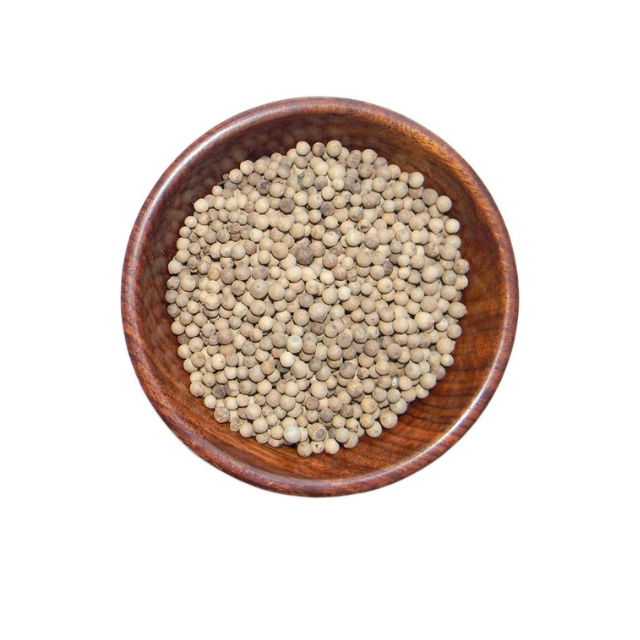
White Pepper in Asian Cuisine: Traditional and Modern Uses
White Pepper is an important spice in many Asian kitchens, valued for its distinctive aroma, gentle heat, and ability to enhance savory dishes. From traditional soups and sauces to modern food products, this spice continues to play an important role in Asian culinary culture.
Unlike black pepper, White Pepper is produced from fully mature pepper berries that undergo processing to remove the outer skin. This creates a lighter appearance and a flavor profile that is often earthy, warm, and slightly fermented.
Traditional Uses of White Pepper
Across Asia, White Pepper has traditionally been used in dishes where cooks want peppery warmth without the visible dark particles associated with black pepper. It is particularly popular in recipes with light-colored broths, sauces, and marinades.
In Chinese cuisine, White Pepper is commonly added to soups, stir-fries, dumpling fillings, and meat preparations. Its strong aroma can complement ingredients such as pork, chicken, seafood, tofu, mushrooms, and vegetables.
In Southeast Asian cooking, White Pepper is also used as a seasoning for soups, noodles, meat dishes, and spice blends. Indonesian and Malaysian recipes may incorporate it into marinades and savory preparations to create a deeper, more balanced flavor.
- Seasoning for clear soups and broths
- Ingredient in meat and seafood marinades
- Flavor enhancer for noodle and rice dishes
- Spice for dumpling and meat fillings
- Component of sauces and seasoning blends
Modern Uses of White Pepper
Modern food production has expanded the applications of White Pepper beyond traditional home cooking. Food manufacturers use it in instant foods, sauces, ready-to-eat meals, processed meats, snack seasonings, and commercial spice blends.
Its fine texture and concentrated flavor make White Pepper powder practical for industrial food processing. Manufacturers can distribute the spice evenly throughout a formulation while maintaining the desired savory and peppery character.
Restaurants and professional kitchens also use White Pepper when presentation matters. Because the spice blends visually into many light-colored foods, it can provide warmth and complexity without changing the appearance of a creamy sauce or pale soup.
Flavor and Culinary Benefits
One of the main advantages of White Pepper is its distinctive flavor. Compared with black pepper, it generally delivers a more earthy and pungent character, making it useful for recipes that require a deeper pepper aroma.
White Pepper can work particularly well with delicate ingredients because only a small quantity may be needed to create noticeable seasoning. It is commonly paired with garlic, ginger, soy sauce, sesame, onion, seafood, poultry, and vegetables.
- Provides warm peppery notes
- Works well in light-colored dishes
- Complements meat, seafood, and vegetables
- Suitable for powdered seasoning blends
- Useful in traditional and modern recipes
Choosing Quality White Pepper
For restaurants, distributors, and food manufacturers, selecting consistent White Pepper quality is essential. Buyers should evaluate appearance, aroma, cleanliness, moisture, particle size, packaging, and overall product consistency.
Whole White Pepper may be preferred when freshness and customized grinding are priorities, while powder can offer convenience for industrial applications. Reliable sourcing and appropriate storage can help preserve the spice’s characteristic aroma and flavor.
Businesses looking for broader information about pepper and its characteristics can also consult Wikipedia as a general reference. For commercial inquiries and export-related information, visit PT ANUGRAH BUANA.
White Pepper for Global Food Markets
The continued popularity of Asian cuisine has helped maintain demand for White Pepper in international food markets. Exporters, wholesalers, restaurants, and food manufacturers can use this spice in products designed for both traditional Asian recipes and contemporary global cuisine.
Its versatility is one reason White Pepper remains commercially relevant. From a bowl of traditional soup to a modern ready-to-eat meal, the spice can contribute aroma, warmth, and savory depth while fitting naturally into different culinary applications.
Understanding the traditional and modern uses of White Pepper can help food businesses identify new product opportunities and make better purchasing decisions. With appropriate quality control and responsible sourcing, this versatile spice can continue to serve Asian cuisine and the wider global food industry.
Related Posts
Ginger Powder: 7 Premium Uses in Bakery Products
-
Posted by
ptp.suryani@gmail.com
Turmeric Powder: 7 Proven Tips for Food Production
-
Posted by
Panduan Lengkap Indonesian Cloves 2026: Quality, Uses, Trade
-
Posted by
7 Essential Tips for Choosing the Best Vanilla Beans
-
Posted by
7 Powerful Benefits of Cloves in Food & Beverage Production
-
Posted by
Cinnamon Sticks: 7 Amazing Benefits for Daily Wellness
-
Posted by
7 Amazing Black Pepper Benefits for Everyday Cooking
-
Posted by
10 Amazing Turmeric Powder Benefits for Better Health
-
Posted by
7 Premium Cinnamon Powder Benefits Every Buyer Should Know
-
Posted by
10 Amazing Health Benefits of Ginger Powder You Should Know
-
Posted by
7 Powerful Vanilla Bean Facts: Everything You Need to Know
-
Posted by
7 Powerful Turmeric Powder Benefits, Uses, and Nutrition Guide
-
Posted by