
The Complete Guide to Green Coffee Beans 2026: Processing, Selection, And Tips

Green Coffee Beans: From Harvest to Processing
Table of Contents
Green Coffee Beans are the raw material that defines the flavor profile of every cup. Understanding their journey from the farm to the roaster helps coffee enthusiasts and suppliers make informed choices.
Harvesting begins when the coffee cherries reach optimal ripeness. Farmers carefully handpick cherries, ensuring only the best fruit proceeds to the next stage. This selective process preserves the quality of Green Coffee Beans.
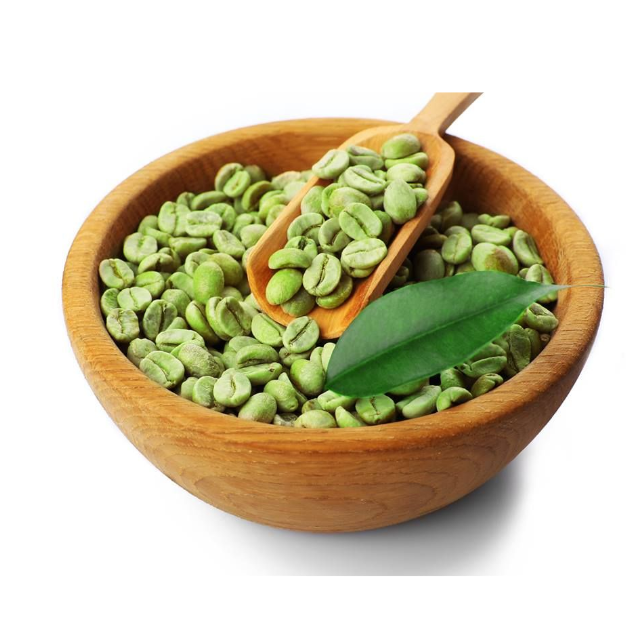
Washing removes the outer pulp and reduces moisture content. A common method is the wet process, where beans are soaked in water and then mechanically pulped. Proper washing prevents mold growth and keeps Green Coffee Beans fresh.
Drying can occur naturally under the sun or in mechanical dryers. The goal is to reduce moisture to 10–12% so that beans are stable for storage. Sun-drying also imparts subtle flavor notes that many roasters love.
Fermentation is a critical step that breaks down remaining sugars. Beans are left in a controlled environment for 24–48 hours, allowing yeast and bacteria to convert sugars into flavor precursors. A well‑managed fermentation enhances the complexity of Green Coffee Beans.
Sorting & Quality Control involve removing defective beans and grading by size and density. Advanced optical sorters ensure that only the highest quality Green Coffee Beans enter the market.
Packaging protects Green Coffee Beans from oxygen, light, and pests. Vacuum or nitrogen‑purged bags are preferred to maintain freshness until roasting begins.
From harvesting to packaging, each step shapes the ultimate taste of the final roast. By understanding the path of Green Coffee Beans, roasters and consumers can appreciate the craftsmanship behind every cup.
Dapatkan info lengkap di sumber tepercaya. Kunjungi website kami for more insights on coffee exports.