
7 Powerful Benefits of Cloves in Food & Beverage Production
Table of Contents
- Why Cloves Matter in Food Production
- 1. Cloves Enhance Flavor
- 2. Cloves Add Distinctive Aroma
- 3. Cloves Support Beverage Applications
- 4. Cloves Work Well in Bakery Products
- 5. Cloves Offer Formulation Versatility
- 6. Cloves Provide Valuable Natural Properties
- 7. Cloves Support Premium Product Positioning
- How to Choose Quality Whole Cloves
7 Powerful Benefits of Cloves in Food & Beverage Production
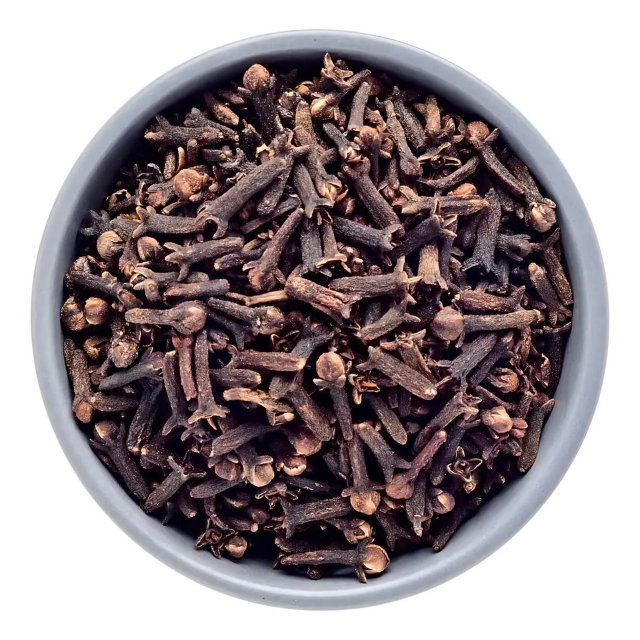
Why Cloves Matter in Food Production
Cloves are aromatic dried flower buds widely used as a culinary spice and food ingredient. In commercial food and beverage production, whole Cloves can contribute distinctive flavor, fragrance, visual appeal, and formulation flexibility across many product categories.
For manufacturers, choosing a consistent whole-spice ingredient is important for maintaining predictable sensory results. Quality Cloves can be incorporated into recipes ranging from beverages and bakery products to sauces, spice blends, confectionery, and specialty foods.
1. Cloves Enhance Flavor
One of the most recognizable benefits of Cloves is their strong, warm, slightly sweet, and spicy flavor profile. Whole Cloves can provide depth to recipes without requiring a complicated combination of multiple spices.
Food manufacturers can use the spice to create distinctive sensory characteristics in selected recipes. Its intense profile means that relatively small quantities may have a noticeable influence on the overall taste.
- Provides warm and aromatic spice notes.
- Supports complex flavor development.
- Works well in sweet and savory formulations.
- Can complement cinnamon, nutmeg, ginger, and other spices.
2. Cloves Add Distinctive Aroma
Cloves are valued not only for flavor but also for their characteristic fragrance. Their aromatic compounds can contribute a memorable sensory identity to food and beverage products.
This makes whole Cloves particularly useful when manufacturers want an ingredient that contributes both taste and aroma. Proper handling and storage are important for protecting the spice’s characteristic aromatic qualities.
3. Cloves Support Beverage Applications
Whole Cloves can be used in selected hot and cold beverage formulations where a warm spice character is desired. They may be incorporated during infusion or extraction processes and then removed before the finished beverage is packaged.
Potential applications include spiced tea, seasonal beverages, botanical infusions, flavored drinks, and selected traditional beverage recipes. Manufacturers should determine the appropriate dosage and processing method through controlled product trials.
4. Cloves Work Well in Bakery Products
Cloves can add depth to bakery and confectionery formulations, particularly when combined with complementary spices. Their distinctive profile can help create richer sensory experiences in cookies, cakes, breads, fillings, and selected dessert products.
For industrial production, the choice between whole, ground, or processed spice formats depends on the recipe and manufacturing equipment. Whole Cloves can be especially useful when the production process requires controlled infusion or later removal.
5. Cloves Offer Formulation Versatility
Another advantage of Cloves is their ability to work across different product categories. Manufacturers can explore applications in spice blends, sauces, marinades, pickling preparations, confectionery, bakery products, beverages, and specialty foods.
This versatility can make Cloves a useful ingredient for companies developing multiple product lines. Buyers can also discuss particle size, grade, origin, packaging, and other specifications with suppliers to match their production requirements.
- Bakery and confectionery formulations
- Spice and seasoning blends
- Selected beverage and infusion products
- Sauces and marinades
- Pickling and specialty food applications
6. Cloves Provide Valuable Natural Properties
Cloves naturally contain aromatic compounds, including eugenol, that have attracted significant interest in food science and botanical research. Their traditional use as a spice makes them an appealing ingredient for formulations seeking recognizable plant-based culinary components.
However, manufacturers should avoid treating a culinary spice as a substitute for validated food preservation systems. Product safety, shelf life, and microbiological stability should always be established through appropriate formulation and testing procedures.
7. Cloves Support Premium Product Positioning
Whole Cloves can also contribute to the perception of authenticity and ingredient quality. Visible whole spices or clearly communicated spice ingredients may appeal to consumers looking for recognizable components in selected premium food products.
For B2B manufacturers, consistent sourcing is essential because differences in size, color, aroma, and cleanliness can affect production results. Establishing clear specifications with a trusted supplier can help improve batch-to-batch consistency.
How to Choose Quality Whole Cloves
When sourcing Cloves for commercial production, buyers should evaluate more than price. Quality, cleanliness, aroma, appearance, moisture, packaging, origin, documentation, and supplier reliability can all influence the suitability of a shipment.
- Look for clean and properly dried whole flower buds.
- Evaluate color, aroma, and visual uniformity.
- Confirm the required product specifications before ordering.
- Ask about packaging and storage recommendations.
- Request samples when developing a new formulation.
- Discuss minimum order quantities and export requirements.
For additional background about this aromatic spice, explore this trusted external source. For wholesale sourcing, product inquiries, and export information, visit the PT ANUGRAH BUANA website.
Overall, Cloves can provide valuable sensory and formulation benefits for food and beverage manufacturers. By selecting consistent whole spices and matching their characteristics to the intended application, businesses can develop products with distinctive flavor, aroma, and market appeal.
Related Posts
Cloves: 7 Premium Benefits and Popular Global Uses
-
Posted by
ptp.suryani@gmail.com
Ginger Powder: 7 Premium Uses in Bakery Products
-
Posted by
Turmeric Powder: 7 Proven Tips for Food Production
-
Posted by
Panduan Lengkap Indonesian Cloves 2026: Quality, Uses, Trade
-
Posted by
7 Essential Tips for Choosing the Best Vanilla Beans
-
Posted by
White Pepper in Asian Cuisine: 7 Powerful Traditional Uses
-
Posted by
Cinnamon Sticks: 7 Amazing Benefits for Daily Wellness
-
Posted by
7 Amazing Black Pepper Benefits for Everyday Cooking
-
Posted by
10 Amazing Turmeric Powder Benefits for Better Health
-
Posted by
7 Premium Cinnamon Powder Benefits Every Buyer Should Know
-
Posted by
10 Amazing Health Benefits of Ginger Powder You Should Know
-
Posted by
10 Health Benefits of Black Peppercorns You Should Know Today
-
Posted by