
7 Powerful Coconut Oil Facts: Uses, Benefits, and Production
Table of Contents
- What Is Coconut Oil?
- How Coconut Oil Is Produced
- Types of Coconut Oil
- Common Uses of Coconut Oil
- Key Benefits of Coconut Oil
- How to Choose Quality Coconut Oil
- Coconut Oil for Business and Export
Coconut Oil: A Complete Guide to Uses, Benefits, and Production
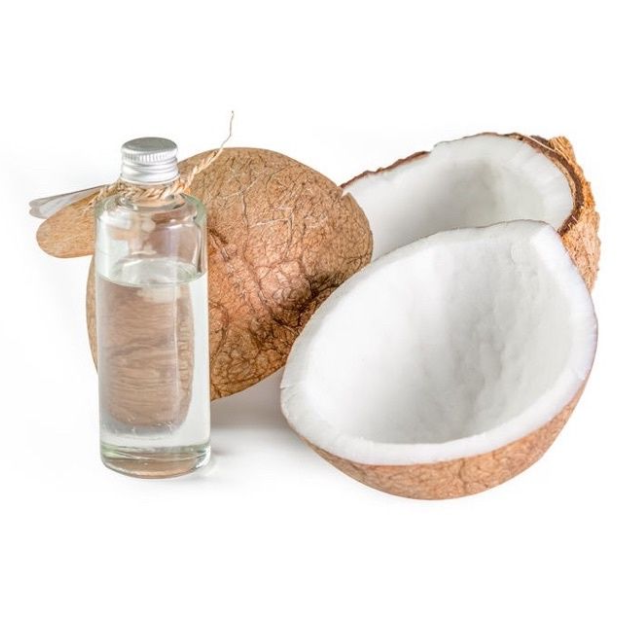
Coconut Oil is a versatile plant-based oil extracted from the meat of mature coconuts. It is widely used in cooking, food manufacturing, cosmetics, personal care, soaps, and other formulations because of its distinctive physical and chemical properties.
For businesses, understanding Coconut Oil means looking beyond its familiar kitchen use. The final characteristics can depend on raw material quality, extraction method, processing conditions, refining, and the intended application.
How Coconut Oil Is Produced
Coconut Oil can be produced from fresh coconut meat or from dried coconut, commonly known as copra. Processing methods vary according to the desired product, available equipment, production scale, and quality specifications.
In traditional wet processing, coconut meat is grated and mixed with water before the coconut milk is separated and processed to recover the oil. Modern methods may use mechanical pressing, centrifugation, drying, filtration, and controlled processing to improve efficiency and consistency.
Dry processing generally involves drying coconut meat into copra before extracting the oil. The resulting crude oil may then be filtered or refined depending on the required characteristics and end use.
- Fresh coconut meat can be processed through wet extraction.
- Copra can be used for dry extraction.
- Mechanical pressing can recover oil from prepared coconut material.
- Filtration helps remove unwanted solids and impurities.
- Further processing can produce oil suitable for specific applications.
Types of Coconut Oil
Different production methods create products with different characteristics. Virgin Coconut Oil is generally associated with processing methods designed to preserve the natural characteristics of fresh coconut, while refined products undergo additional processing to achieve more standardized qualities.
The right type depends on how the oil will be used. Food producers, cosmetic manufacturers, soap makers, and industrial buyers may each require different specifications for color, aroma, processing level, packaging, and consistency.
- Virgin Coconut Oil for applications where a natural coconut profile is preferred.
- Refined Coconut Oil for applications requiring a more neutral profile.
- Crude Coconut Oil for further industrial or refining processes.
- Specialized coconut oil fractions for selected formulations.
Common Uses of Coconut Oil
One of the main strengths of Coconut Oil is its versatility. In the food sector, it can be used for cooking, baking, food preparation, and formulated products where its texture and stability are useful.
Coconut Oil also has an important role outside the kitchen. It can be incorporated into soaps, cosmetics, personal care products, and other formulations, making it a valuable raw material for manufacturers.
- Cooking and food preparation.
- Baking and confectionery products.
- Food ingredient formulations.
- Soap and cleansing products.
- Cosmetics and personal care products.
- Specialty industrial and oleochemical applications.
Key Benefits of Coconut Oil
From a commercial perspective, Coconut Oil offers several useful characteristics. Its composition and physical behavior can make it suitable for formulations that require a particular texture, melting profile, or functional performance.
Another advantage is flexibility in processing. Depending on the production method, manufacturers can select an oil that better matches the requirements of food, cosmetic, personal care, or industrial applications.
For buyers, product consistency is also an important benefit. Reliable sourcing, appropriate processing, suitable packaging, and clear specifications can help manufacturers maintain stable production results.
- Versatile across multiple industries.
- Useful for food and non-food applications.
- Available in different processing grades.
- Suitable for bulk commercial sourcing.
- Can be incorporated into diverse product formulations.
How to Choose Quality Coconut Oil
Choosing Coconut Oil should begin with the intended application. Buyers should identify whether they need virgin, refined, crude, or another specification before comparing suppliers and quotations.
Quality evaluation should also consider processing, appearance, aroma, packaging, documentation, and storage conditions. For commercial purchasing, consistency between shipments is particularly important because variations can affect manufacturing performance.
- Confirm the required product grade.
- Review technical specifications and quality documentation.
- Check packaging and bulk shipment options.
- Ask about origin and processing methods.
- Evaluate supplier reliability and consistency.
- Confirm storage and transportation requirements.
For additional background on coconut oil extraction, readers can review this FAO resource. The Food and Agriculture Organization describes traditional and intermediate-moisture extraction approaches for producing coconut oil.
Coconut Oil for Business and Export
For international buyers, sourcing Coconut Oil requires more than finding a competitive price. Buyers should evaluate supplier capability, product specifications, packaging, minimum order quantities, documentation, and shipping arrangements.
A professional supplier should be able to communicate clearly about product characteristics and commercial requirements. This is especially important for food manufacturers, cosmetic producers, distributors, wholesalers, and private-label businesses.
PT ANUGRAH BUANA supports businesses seeking Indonesian-origin commodities and export-oriented products. Visit our company website to explore sourcing opportunities and discuss your business requirements.
Overall, Coconut Oil is much more than a familiar household ingredient. Its flexible production methods, broad industrial applications, and different commercial grades make it an important coconut-derived commodity for food, personal care, cosmetics, soap, and manufacturing markets.
Understanding how the oil is produced and what specifications matter can help buyers make better purchasing decisions. Whether you need a product for food production, cosmetic formulation, wholesale distribution, or export, selecting the appropriate grade and a dependable supplier is essential.
Related Posts
7 Powerful Virgin Coconut Oil vs Regular Coconut Oil Differences Explained
-
Posted by
ptp.suryani@gmail.com